
Microplastics and nanoplastics (MNPs) are no longer a distant environmental concern — they are in our water, our food, our air, and, research now confirms, in our bodies. Particles have been found in human blood, lungs, liver, kidneys, placenta tissue, and the brain. One important 2024 study published in the New England Journal of Medicine (1) detected plastic particles inside the carotid artery plaques of nearly 6 in 10 patients — and those with plastics in their plaques had a more than fourfold higher risk of heart attack, stroke, or death over the following three years. And in 2025, researchers at the University of New Mexico reported in Nature Medicine (2) that the human brain carries more plastic than any other organ studied (…) — with brain tissue from people diagnosed with dementia containing several times higher concentrations. The researchers are careful to note this is a correlation, not proof that plastics cause dementia — but for anyone concerned about long-term brain health, it is a signal worth taking seriously.
Why worry about a little plastic?
Our bodies handle small particles every day — and thankfully, most microplastics that we swallow pass through and leave the body through bowel movements. The concern is the smaller fraction: nanoplastics, invisible to the naked eye, can cross the intestinal wall or be carried by immune cells into tissues. Once lodged, they are hard to remove and can slowly irritate tissues, promote inflammation, and carry along unwanted chemicals like BPA and phthalates, which are well-known endocrine disruptors.
Where do they end up? Research suggests particles tend to settle where inflammation already exists — macrophages, our immune "clean-up cells", engulf them but cannot always digest them, effectively burying plastic in the tissue. This means the two gatekeepers that matter most are your gut barrier and your blood-brain barrier (BBB). When these barriers are tight and healthy, very little gets through. When they're leaky, particles — and their chemical passengers — slip into circulation and tissues.
Microplastics and cancer in younger people
Increasing research links microplastics to the rise of cancer in young adults — particularly bowel cancer. Here is what the science actually shows today, separated into what is established, what is emerging, and what remains unproven.
What is well established: early-onset colorectal cancer (diagnosed before age 50) is rising around the world. An analysis of cancer registries from 50 countries found incidence increasing in younger adult populations (Sung et al., The Lancet Oncology). Australia, notably, has among the world's highest early-onset rates (The Lancet Gastroenterology & Hepatology). Because genetics haven't changed, researchers widely agree that environmental and lifestyle factors — of which plastics are one candidate among several (ultra-processed food, sedentary habits, altered microbiome) — must be involved.
What is emerging: microplastics have now been detected inside human tumours. In one 2024 study of surgical samples from 61 cancer patients, microplastics (polystyrene, PVC, polyethylene) were found in 80% of lung, 50% of colorectal, and 40% of gastric tumours (Zhao et al., Ecotoxicology and Environmental Safety). A review of colorectal tissue studies found microplastic concentrations consistently higher in tumour tissue than in adjacent healthy tissue — a pattern of selective accumulation — and associated with more advanced tumour stage, inflammation, and barrier disruption (review, PMC). On the mechanistic side, laboratory and animal studies show microplastics can induce oxidative stress, DNA damage, chronic gut inflammation, dysbiosis, and disruption of the colonic mucus layer — all recognised steps in the pathophysiology of cancer (Molecular Cancer review, mucus-layer hypothesis). The timing is also suggestive: microplastic exposure and early-onset cancers have risen in parallel since the 1950s.
What is not proven: that microplastics cause these cancers. No study has established causation in humans — the tumour findings show particles are present, not that they started the disease (it's equally possible that diseased, inflamed tissue simply traps more particles, as we saw with artery plaques). The timing argument, while suggestive, is circumstantial; many other exposures changed over the same decades. Leading researchers themselves are careful on this point: the evidence is described as "associations and plausible mechanisms", with much more investigation needed (Dana-Farber Cancer Institute, Monash University).
The good news: your gut sends early signals — and you can act on them
Here is the hopeful part, though. The digestive system rarely goes from healthy to cancerous overnight; it usually whispers first, through chronic low-grade inflammation. Learning to hear those whispers — and measuring them objectively — puts you in the driver's seat years or decades ahead of any diagnosis.
Book an appointment with your naturopath or functional doctor for a thorough case-taking history and possibly some functional testing to assess your symptoms and your risk, and take preventative actions before disease becomes active and more difficult to treat, or to diagnose cancer early to increase chances of healing.
There is empowering news, however.
While no pill or "detox cleanse" can remove plastic particles already embedded in tissues, the science points to two main levers you can act on every day: reducing your exposure and keeping your body's natural barriers strong. Let's look at both.
Lever 1: Reduce your plastics exposure
You can't live in a bubble, but a few well-chosen habits cut a surprisingly large share of your daily intake.
1. Rethink your drinking water (and skip plastic bottles)
Bottled water is one of the most concentrated microplastic sources in our diet — studies have measured up to thousands of particles per litre, vastly more than tap water. Two practical steps:
Filter your tap water. Reverse osmosis with non-plastic housings is the gold standard; dense carbon-block filters are a good second choice.
Boil hard water (in a plastic-free kettle or pan), then filter it. A 2024 study found that boiling mineral-rich (hard) tap water traps nano- and microplastics inside limescale crystals, and a simple filter removes them — eliminating up to 90% of particles (3). A simple, ancient, and effective kitchen habit… if you have the patience to stay consistent.



2. Avoid obvious plastics
Keep plastic away from heat and hot food
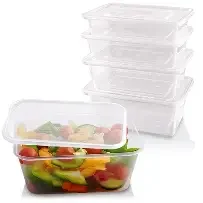
Heat is plastic's best friend and your worst enemy. Never microwave food in plastic containers, don't pour boiling liquids into plastic cups or bottles, and let takeaway food cool before it touches plastic lids. And a particularly annoying one: avoid plastic tea bags. A single nylon or PET tea bag steeped at 95°C releases billions of micro- and nanoplastic particles into your cup. Choose loose-leaf tea or certified plastic-free bags instead (4).
Remove potential mechanical scraping of plastics from your kitchen
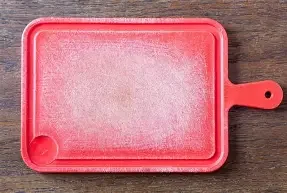
Beating eggs in a plastic bowl, or using plastic cutting boards are all potential hazards for microplastics. They're sometimes visible, and we still choose to ignore these risks because they've become so convenient, habitual, and seemingly so small. But they do add up, and they're easy to replace with non-plastic options. And if you wear a plastic dental splint or night guard — replace it when it shows wear, cracks, or bite marks; worn appliances shed more particles. (5)
Avoid synthetic clothing and prefer natural fibres.
Although practical, convenient and cheap, synthetic fibres in our clothes shed nanoparticles during wear and at every wash. Prefer 1 good quality cloth in natural fibre over 4-5 synthetic pieces of clothing; (politely) refuse marketing t-shirts and clothing. Of course, we may not have a choice when it comes to school uniforms or work uniforms, but we can reduce this load by choosing natural fibre for all other clothing.
Dental splint or night guard
If you need to wear a plastic dental splint or night guard — replace it when it shows wear, cracks, or bite marks; worn appliances shed more particles. Make sure the risk-benefit is to your benefit and not to someone else’s or because you were told so.
3. Refresh the air and textiles in your home
Indoor air exposes us to several times more microplastic fibres than outdoor air — shed from synthetic clothing, carpets, and soft furnishings, then inhaled or settled onto our food. Simple measures go a long way: ventilate daily, damp-dust rather than sweep, wash new synthetic textiles before use, avoid carpets; most of them are made of plastic/synthetic materials.
Lever 2: Strengthen your two key barriers and keep inflammation at bay
The intestinal lining and the blood-brain barrier are both built from the same architecture: cells sealed together by "tight junctions". When these junctions loosen, we speak of "leaky gut" or "leaky brain" — and plastic particles, inflammatory molecules, and chemicals can go through.
Signs your gut and brain barriers may need attention
None of these symptoms on their own proves your intestines or BBB integrity are compromised — they're clues that indicate attention is required, not a self-diagnosis. These symptoms may also be caused by other things going on in your body and the microplastics may just be one of multiple factors contributing to low-grade inflammation.
Common signs associated with increased intestinal permeability include:
Persistent bloating, gas, or irregular bowel habits, especially after meals
Growing sensitivity to foods you previously tolerated well
Ongoing fatigue and low-grade inflammation markers
For the blood-brain barrier, keep an eye on:
Brain fog — difficulty concentrating or finding words
Frequent headaches or a sense of "pressure" without a clear cause
Heightened sensitivity to stimuli, poor sleep quality, and low mood or irritability
If several of these ring true, it's worth supporting the health of these gut and brain barriers — and speaking with your naturopath to get support and improve your gut and brain barriers functions.
How to support your intestinal and brain barriers naturally
The good news: tight junctions respond well to nutrition. Some of the best-evidenced supports include:
Butyrate and fibre. Butyrate — a short-chain fatty acid that beneficial gut bacteria make from dietary fibre, particularly resistant starches — is one of the most powerful natural "tight junction restorers", shown in human tissue studies to reduce leakiness. Get your microbiome tested with a gut microbiome test (by your naturopath) to know the diversity and quantity of your beneficial bacteria. Feed these beneficial bacteria with vegetables, legumes, whole grains, and resistant starch (cooked-and-cooled potatoes and rice are an easy win). A functional test of your gut microbiome will also tell you whether you may be sensitive to gluten, a recognised trigger of an inflammatory immune reaction that can last way beyond the gluten has left your body.
L-glutamine. The amino acid glutamine is the preferred fuel of gut lining cells.
Omega-3s (DHA/EPA) and curcumin — among the best-studied nutrients for blood-brain barrier health, supporting the tight junctions of the brain's blood vessels and calming the oxidative stress that loosens them.
Lactoferrin — a gentle, milk-derived glycoprotein that both tightens junctions and helps repair the gut lining after inflammation. (A quality colostrum supplement provides it naturally alongside other immune factors. Some people, e.g. with lactose intolerance, may need to avoid this one)
Please speak with your naturopath to understand what you need and don't need, and the dosages that are required for you.
Of course, there are the foundations: manage stress, sleep well, move daily, and limit alcohol — chronic stress hormones and poor sleep are among the most reliable tight-junction looseners we know.
You don't have to do it all at once; do one thing at a time, get support and accountability, never give up and be patient. Health is a journey.
Short takeaway
I really wish wee could limit our use of plastics to their strict minimum, but for this lifetime, microplastics are here to stay, unfortunately, at least for the foreseeable future. You have some degree of control over your exposure and your defences, with the right support and the right advice. Keep plastic away from heat (this might include a warm day), refresh your indoor air daily, and give your gut and brain barriers the fibre, nutrients, and rest they need to stay tight and optimally functional. Your body has powerful systems for keeping particles out; maintaining or restoring those systems’ functions can be draining and complex, but it is possible and within everyone’s reach.
This article is for educational purposes and does not replace individual medical advice. Please speak with your practitioner before starting new supplements, especially if you are pregnant, take medications, or have a health condition.
Sources:
(1) Marfella et al., N Engl J Med 2024;390:900-910, DOI: 10.1056/NEJMoa2309822
(2) Nihart et al., Nat Med 2025;31:1114-1119, DOI: 10.1038/s41591-024-03453-1
(3) Yu et al., Environmental Science & Technology Letters (2024);
(4) Hernandez et al., Environmental Science & Technology (2019);
(5) Quizi et al. (2023), DOI: 10.1016/j.scitotenv.2022.161356.